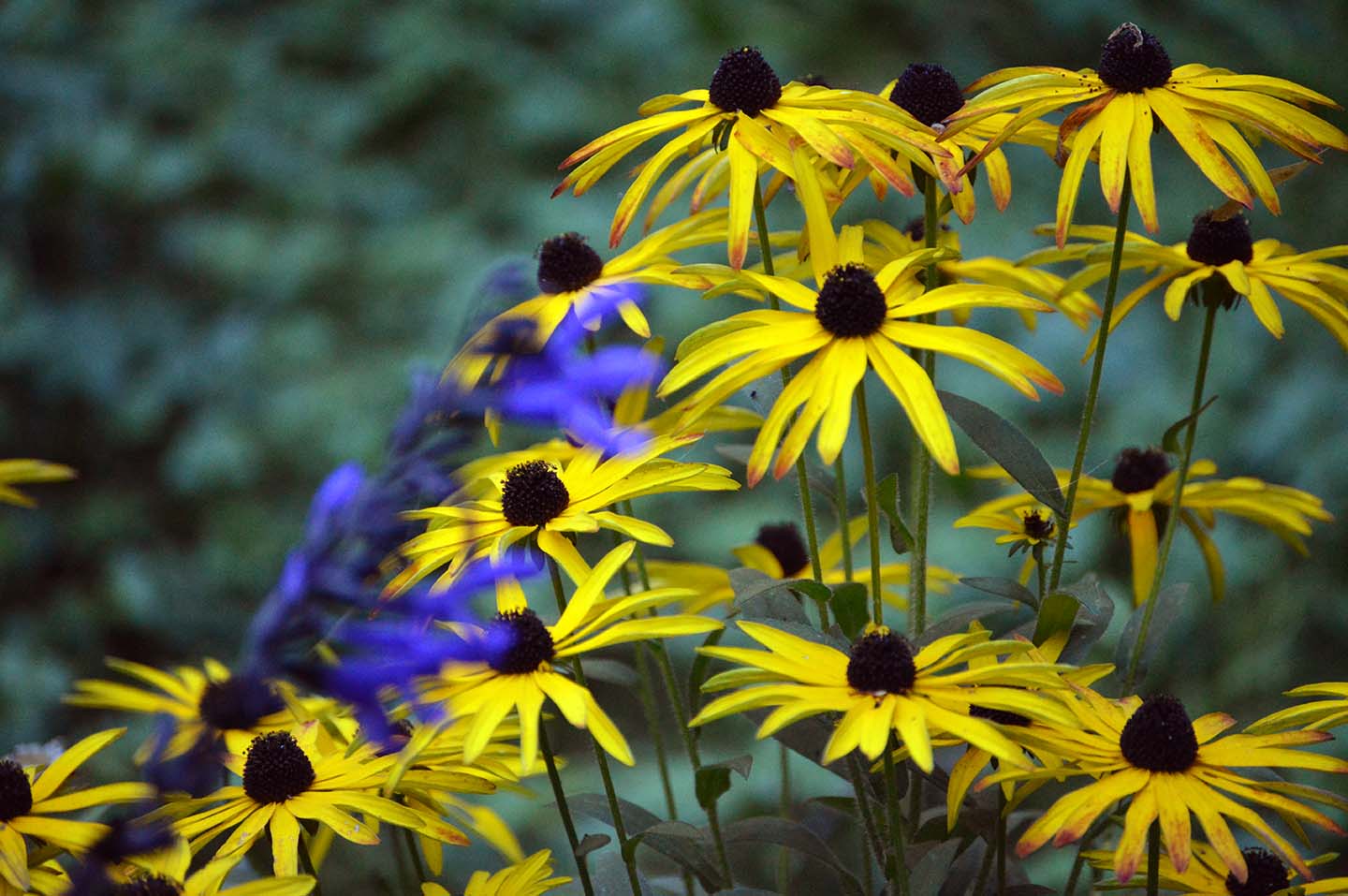
The fall garden still holds a lot of treasures – here are some glimpses.

Ballots are sent, early voting has begun. Time to head inside, sit at the table and make up your mind…
Here are a number of voter guides for your convenience, that help figure out the many layers of choices.

The last of the phlox.
For Oregon voters, official Secretary of State voters pamphlet : https://sos.oregon.gov/elections/Voters-Pamphlet/Pages/default.aspx
Same for Washington State voters: https://www.sos.wa.gov/elections/data-research/election-data-and-maps/election-results-and-voters-pamphlets/2026-general-election-voters-guide

Nurtured My potted chrysanthemums all year – the night after this photo was taken the deer ate all of the flowers…
Portland DSA has a helpful Oregon voter guide: https://portlanddsa.org/our-voter-guide-for-the-november-2026-general-election/

Japanese Anemones.
For California, here is the ACLU voter guide: https://aclucalaction.org/2026-election-guide/

Salvia
General Info from Blue Voter Guide: https://bluevoterguide.org/about

Fuchsia still going strong.
And below is a comprehensive overview of everything that is on the ballot nationally – with particularly important races and ballot measures flagged.
However you vote – do it, do it early, and bring your ballot to one of the drop boxes to avoid any complications introduced by the post office. They can be found at many libraries, or public squares.
Here is the official drop box locator link for the one nearest your home: https://sos.oregon.gov/elections/pages/drop-box-locator.aspx

Music today is Schubert’s Winterreise. The song cycle was composed during a time of political unrest and social change in Germany. As wikipedia noted… “The work reflects themes of alienation and the emotional struggles of the individual in a challenging environment.” Sounds apropos, no?